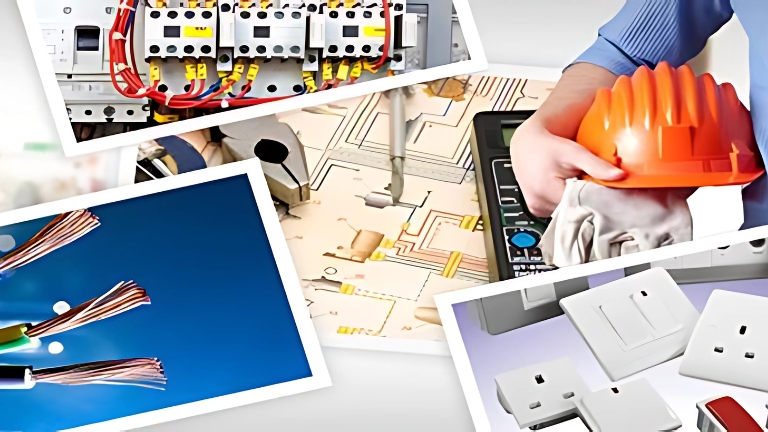
Electrical equipment plays a crucial role in ensuring the safety, efficiency, and functionality of any home or business. Whether you’re constructing a new building or upgrading an existing electrical system, selecting the right components is essential. From switches and wires to Miniature Circuit Breakers (MCBs) and other protective devices, each element must be carefully chosen to suit specific needs. In this blog, we will guide you through the key factors to consider when selecting electrical equipment for your property.
1. Understand Your Electrical Requirements
Before purchasing any electrical equipment, it is essential to assess your requirements. Homes and businesses have different power needs. For example, commercial establishments often require heavy-duty wiring and circuit breakers to handle higher loads, while homes generally require standard wiring and basic protective devices. Understanding your electrical load capacity and usage pattern will help you make informed decisions.
2. Prioritize Safety and Quality
Electrical safety should always be a top priority. Poor-quality equipment can lead to short circuits, electrical fires, and even fatal accidents. When selecting switches, wires, and MCBs, always choose products that meet national and international safety standards, such as:
- IS (Indian Standards) or IEC (International Electrotechnical Commission) certification
- CE marking (European conformity)
- UL (Underwriters Laboratories) certification
Buying certified products ensures that the equipment has been tested for durability, safety, and performance.
3. Choose the Right Type of Switches
Switches are one of the most frequently used electrical components in homes and businesses. The right switch should be durable, easy to operate, and visually appealing. Some common types of switches include:
- Modular switches – Modern, sleek, and customizable for aesthetic appeal
- Toggle switches – Traditional and widely used in households
- Smart switches – IoT-enabled for remote control and automation
- Dimmer switches – Adjust brightness levels for better ambiance
When choosing switches, opt for high-quality brands that offer long-lasting performance and safety features such as spark prevention.
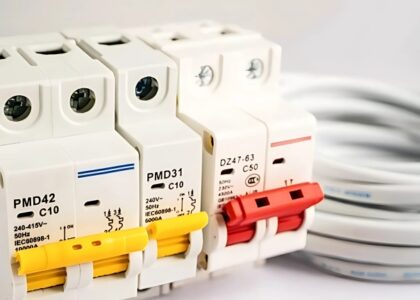
4. Selecting the Right Miniature Circuit Breaker (MCB)
MCBs are crucial in protecting electrical circuits from overload and short circuits. The choice of an MCB depends on the load type and application. Here’s a quick guide:
- Type B MCB – Suitable for residential use, as they trip easily on light surges
- Type C MCB – Ideal for commercial applications, where moderate surges occur (e.g., lighting circuits and small motors)
- Type D MCB – Used for industrial purposes, where high inrush currents are common (e.g., large motors and transformers)
Choosing the right MCB ensures that your electrical system remains protected from potential hazards.
5. Importance of High-Quality Wiring
Wiring is the backbone of any electrical system. Poor-quality wires can cause overheating, leading to fire hazards. Here’s what to look for in good wiring:
- Copper over aluminum – Copper wires offer better conductivity and durability
- Right gauge size – Ensure the wire thickness is suitable for your load requirement
- Insulation quality – Look for PVC-insulated or flame-retardant wires for enhanced safety
Branded wires from reputable manufacturers ensure longevity and reliability in electrical installations.
6. Surge Protection and Earthing
Surge protectors safeguard electrical appliances from voltage spikes, while proper earthing ensures safe discharge of excess electricity. When installing electrical equipment:
- Use surge protectors to prevent damage to sensitive electronics
- Ensure proper earthing to minimize electric shock risks
- Choose Residual Current Devices (RCDs) to detect and prevent electrical leakages
A well-grounded electrical system improves safety and prevents unexpected electrical failures.
7. Energy Efficiency and Smart Solutions
Energy-efficient electrical equipment reduces electricity bills and minimizes environmental impact. Consider:
- LED lighting instead of traditional bulbs for lower energy consumption
- Energy-efficient switches and sockets with automatic shutoff features
- Smart home automation for remote control and energy monitoring
Using energy-efficient equipment contributes to long-term savings and sustainability.
8. Brand Reputation and Warranty
When purchasing electrical equipment, always consider brands known for reliability and quality. Reputable brands offer:
- Product warranty for added security
- After-sales support for troubleshooting and replacements
- Customer reviews to verify quality and performance
Investing in trusted brands ensures safety and durability in the long run.
Conclusion
Choosing the right electrical equipment for your home or business requires careful planning and knowledge. By focusing on safety, quality, efficiency, and brand reliability, you can create a secure and long-lasting electrical system. Whether it’s selecting the right switches, MCBs, or wires, making informed decisions will help you avoid future electrical problems and ensure a hassle-free experience. Always consult a professional electrician when in doubt to ensure the best outcomes for your electrical installations.